How Clean Water Opens Hearts to the Gospel in Panama’s Indigenous Villages
By Sheila-Ann Bender
In short: In remote indigenous villages where contaminated water causes widespread illness, missionaries are meeting physical needs while pointing people to Living Water—Jesus Christ. The Bottles of Living Water (BOLW) ministry provides water filters to families, builds trust with cautious tribal communities, and shares the gospel. In 2025, nearly 3,000 people came to faith through this clean water ministry, including tribal shamans who declared, “I just found Jesus.”
Through the Stoller Foundation’s partnership with Christianity Ministries, Inc.—led by Dale and LyNan Redman—the Gospel has reached deep into remote regions of Central America once considered inaccessible. Crusades, The Jesus Film Project, and the 100-School Project have brought tens of thousands to faith. Yet reaching indigenous communities requires more than words alone.
These tribal peoples are understandably cautious of outsiders and slow to trust those unfamiliar with their way of life. For this reason, Christianity Ministries, Inc. continually seeks practical and compassionate avenues that meet real needs, build trust, and naturally open the door to the Gospel. One of the most effective of these efforts is the Bottles of Living Water ministry.
Why Is Clean Water Critical for Indigenous Missions?
In many tribal villages, illness is widespread due to contaminated water used for drinking, bathing, and cooking. After careful assessment, clean drinking water was identified as one of the most urgent physical needs. BOLW was created to address this crisis while simultaneously pointing villagers to the true Living Water—Jesus Christ.
“Let anyone who is thirsty come to Me and drink. Whoever believes in Me, as Scripture has said, rivers of living water will flow from within them.” — John 7:37–38
This approach embodies holistic missions: addressing physical suffering while offering eternal hope. When missionaries arrive with tangible help for a community’s most pressing problem, hearts open to hear the message they bring.
How Does the Bottles of Living Water Ministry Work?
Dale Redman has developed a thoughtful, step-by-step approach that ensures both physical and spiritual transformation:
Assessment and Preparation
Villages are first surveyed to assess population size and existing water sources. Colored and numbered tickets are distributed to maintain order and fairness, typically allowing 150–175 families per day to receive buckets and filters.
Transparent Demonstration
When the team arrives, the atmosphere is welcoming and transparent. Music, testimonies, and clear instructions accompany the setup. Villagers are taken to their actual water sources—rivers, seeps, or catch basins—so they can see firsthand that nothing deceptive is taking place. Filters are assembled, demonstrated, and explained in detail.
Training and Trust-Building
Each recipient must personally demonstrate how to clean and maintain the filter, ensuring long-term use. To build confidence, Dale himself drinks the filtered water in front of the crowd and invites volunteers to taste it as well.
Gospel Presentation
At this moment, the message of the Gospel is woven naturally into the presentation. Team members share personal testimonies of how they found Living Water in Jesus Christ, followed by an invitation for anyone who desires to receive Him as Savior.
Follow-Up and Discipleship
As villagers come forward according to their ticket numbers, they receive their bucket and filter while the team gathers important follow-up information. New believers are introduced to volunteers from nearby local churches who will return in one week, one month, and six months for discipleship and continued evangelism. Each new convert receives a Bible in Spanish or a New Testament in their native language, along with the book Is God Really My Father?, which clearly explains the plan of salvation.
What Has BOLW Accomplished?
2,985
people came to faith through BOLW in 2025
This number represents individuals who heard the gospel while receiving something their families desperately needed—clean water. The ministry creates a context where physical and spiritual thirst are addressed together.
A Powerful Encounter: When Tribal Shamans Found Jesus
Recently, Dale Redman and a short-term mission team traveled to the Atlantic side of the Ngäbe-Buglé Comarca, to the village of Coclecito. There, they were met by three leaders of the Mama Tata faith—two shamans and one cacique (tribal chief).
A Mama Tata shaman serves as a spiritual leader or healer within the Mama Tata religion, acting as a mediator between the spirit world and those who practice the faith. The team was invited into their temple, where the leaders explained their beliefs. Dale translated from Spanish into English for team members.
The team was given permission to pray inside the temple. They prayed that during the BOLW demonstration, the Lord would open hearts and make them receptive to the Gospel.
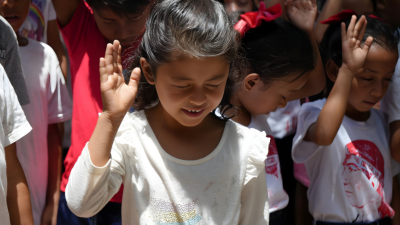
“All three leaders followed our team to the location where a simple bucket and filter were used to present villagers to the One who offers Living Water,” Dale shared. “That day, sixty-five adults prayed to receive Christ as their personal Savior, along with twelve children who responded during children’s ministry. Later that evening, when The Jesus Film was shown, another seventeen adults prayed to receive Christ.”
“I Just Found Jesus”
After the presentation, both the cacique and one of the shamans sought out Dale privately and asked if they could pray to receive Christ. Dale and the Director of Radio La Paz had the profound privilege of leading them in prayer.
“The transformation on their faces was unmistakable,” Dale said. “They went from darkness to light—from always seeking the most powerful sukia (spirit) through witchcraft and sorcery—to knowing Jesus Christ.”
After praying, Dale asked if they wanted to share what had just taken place. Their response was simple—and priceless:
“I just found Jesus.”
How Are New Believers Discipled?
While evangelism is essential, discipleship is equally critical. Many new believers come from deep spiritual darkness and have no prior understanding of Scripture or what it means to follow Christ. Without intentional discipleship, the risk of returning to former beliefs and practices is very real.
Bible Institute
A Bible Institute is already in place, training transformed individuals who feel called to become pastors, teachers, and disciples within their own communities. Native leaders share a cultural and spiritual connection that enables them to reach their people in ways outsiders cannot.
Radio La Paz
Because many villages are difficult—if not impossible—to reach regularly, especially during the rainy season, radio ministry plays a vital role. What began as a small AM station has expanded through a generous grant and now broadcasts via AM, FM, and the Internet.
“We now have the capability to reach nearly the entire Ngäbe-Buglé Comarca with the Gospel,” Dale explains. Plans are underway to partner with the Bible Broadcasting Network (BBN), providing access to its full library of teaching and music. Looking ahead to 2026, a second radio station is planned for Honduras, allowing the stations in Panama and Honduras to work together in spreading the Gospel throughout the region.
Church Planting
Church planting remains a cornerstone of this ministry. In 2025, 15 new churches were planted among communities largely influenced by the Mama Tata faith. Outreach efforts like BOLW often serve as the initial bridge into these regions, opening hearts and doors where no church previously existed. From there, pastors and Bible Institute students provide discipleship and establish lasting church communities rooted in biblical truth.
Key Takeaways
Meet Physical Needs to Open Spiritual Doors
The BOLW ministry demonstrates that addressing tangible suffering—like contaminated water—builds trust and creates natural opportunities to share the gospel. Holistic missions addresses the whole person.
Transparency Builds Trust
Taking villagers to their own water sources, demonstrating filters openly, and drinking the water publicly removes suspicion. In communities wary of outsiders, transparency is essential.
Evangelism Without Discipleship Is Incomplete
New believers from animistic backgrounds need sustained follow-up. The combination of return visits, Bible Institute training, radio broadcasting, and church planting creates a comprehensive discipleship ecosystem.
No One Is Beyond Reach
When tribal shamans and a chief—spiritual gatekeepers of the Mama Tata religion—come to Christ, it demonstrates that the gospel has power to transform anyone, regardless of their spiritual background.
Frequently Asked Questions
What is the Bottles of Living Water ministry?
Bottles of Living Water (BOLW) is a humanitarian outreach that provides water filtration systems to indigenous villages in Panama while sharing the gospel. Missionaries distribute buckets and filters, teach proper maintenance, and present Jesus as the source of “living water” that satisfies eternal thirst.
What is the Mama Tata religion?
Mama Tata is an indigenous religious tradition practiced by some Ngäbe-Buglé communities in Panama. It is an animistic belief system involving shamans who serve as spiritual mediators, seeking power from spirits (sukia) through practices that include witchcraft and sorcery. Converting from Mama Tata to Christianity represents a significant spiritual transformation.
How does clean water ministry relate to evangelism?
Clean water ministry addresses urgent physical needs, which builds trust with communities cautious of outsiders. It also creates a natural connection to Jesus’s teaching about “living water” (John 7:37–38). When missionaries meet tangible needs, villagers are more receptive to hearing the spiritual message.
What happens after someone becomes a Christian through BOLW?
New believers receive a Bible or New Testament in their language, plus a book explaining salvation. Volunteers from local churches return at one week, one month, and six months for follow-up discipleship. Many are connected to new church plants or trained through the Bible Institute to become leaders themselves.
What is Radio La Paz?
Radio La Paz is a Christian radio station that broadcasts gospel content throughout Panama’s Ngäbe-Buglé Comarca via AM, FM, and Internet. Because many villages are physically inaccessible—especially during rainy season—radio provides ongoing discipleship and evangelism where in-person visits are impossible.
Conclusion: Living Water Is Flowing
Through the faithful partnership between the Stoller Foundation and Christianity Ministries, Inc., God is bringing both physical healing and eternal hope to some of the most forgotten people of Central America. Clean water saves lives. The Gospel transforms them.
From a simple bucket and filter to the testimony of former spiritual leaders declaring, “I just found Jesus,” the invitation of Christ continues to ring out across the wilderness: Come and drink.
And as hearts respond, living water is flowing—bringing life, light, and lasting transformation to generations to come.
—
Want to help bring clean water and the gospel to indigenous villages? The Stoller Foundation partners with Christianity Ministries, Inc. to expand the Bottles of Living Water ministry. Learn how you can provide water filters and support that opens hearts to Jesus.
—
About the Author
Sheila-Ann Bender is a writer and ministry contributor who documents stories of faith and transformation from the mission field. She specializes in sharing testimonies of God’s work among unreached and marginalized communities worldwide.
About Christianity Ministry, Inc.
Christianity Ministry, Inc. reaches neglected indigenous groups throughout Central America through evangelistic crusades, The Jesus Film, school outreach, water filter distribution, radio broadcasting, and church planting. Dale and LyNan Redman lead field operations, with particular focus on Panama’s Ngäbe-Buglé comarca.
About The Stoller Foundation
The Stoller Foundation partners with ministries reaching unreached people groups with the gospel of Jesus Christ. Through strategic partnerships like the one with Christianity Ministries, Inc., the Foundation supports holistic outreach that addresses physical needs while sharing eternal hope.